

A Beginner's Guide to Macro Flower Photography
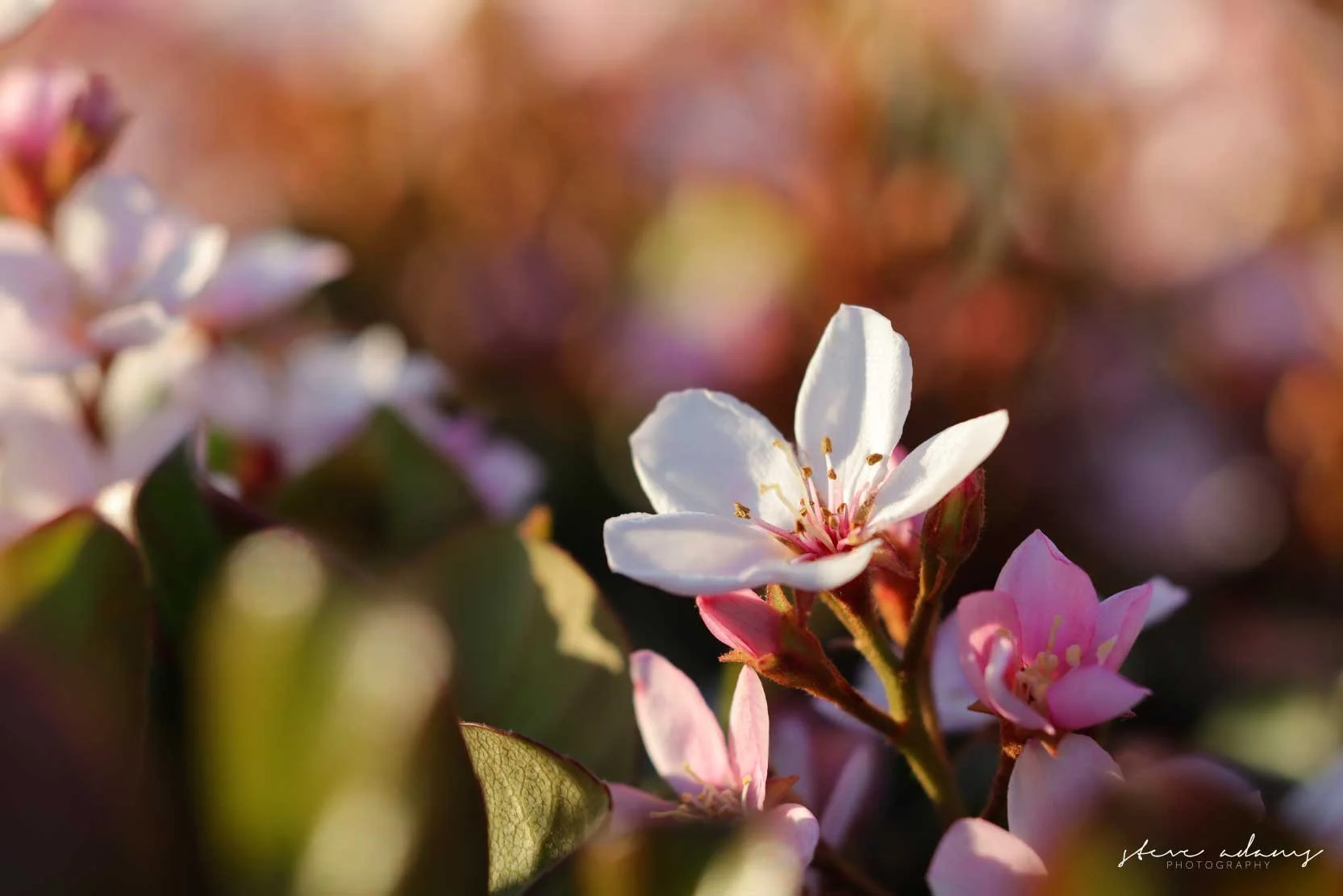
I didn't expect to fall in love with macro photography. For years I was the guy chasing wide, sweeping views. Cliffside towns. Rolling hills. The kind of shots where the whole point is to make you feel small standing in front of something big. Then one afternoon I was wandering through a the local garden near my college with nothing else planned, no itinerary, no light I was chasing, and I got down on one knee to photograph a single flower up close just to see what would happen.
I nearly forgot to stand back up. There was a whole world in there I had been walking past my entire life without ever really looking at it. The way light moves through a petal. The tiny hairs on a stem you can't see with the naked eye. A drop of water sitting on a leaf like it had been placed there on purpose. I was hooked almost instantly, and it changed the way I look at every garden, every roadside patch of wildflowers, every pot on someone's front porch since.
So if you've got a macro lens sitting in your bag that you haven't used much, or you're thinking about picking one up, here's what I've learned. Some of it is technical. Most of it, like usual, is really just about slowing down.
Get comfortable with a narrow depth of field
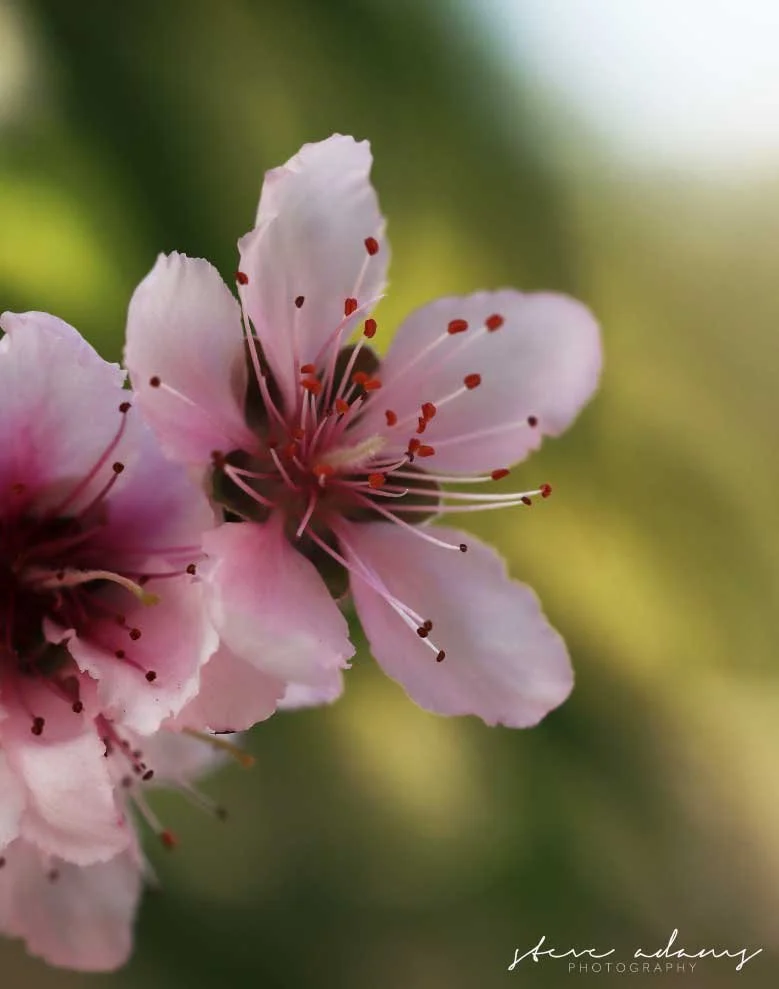
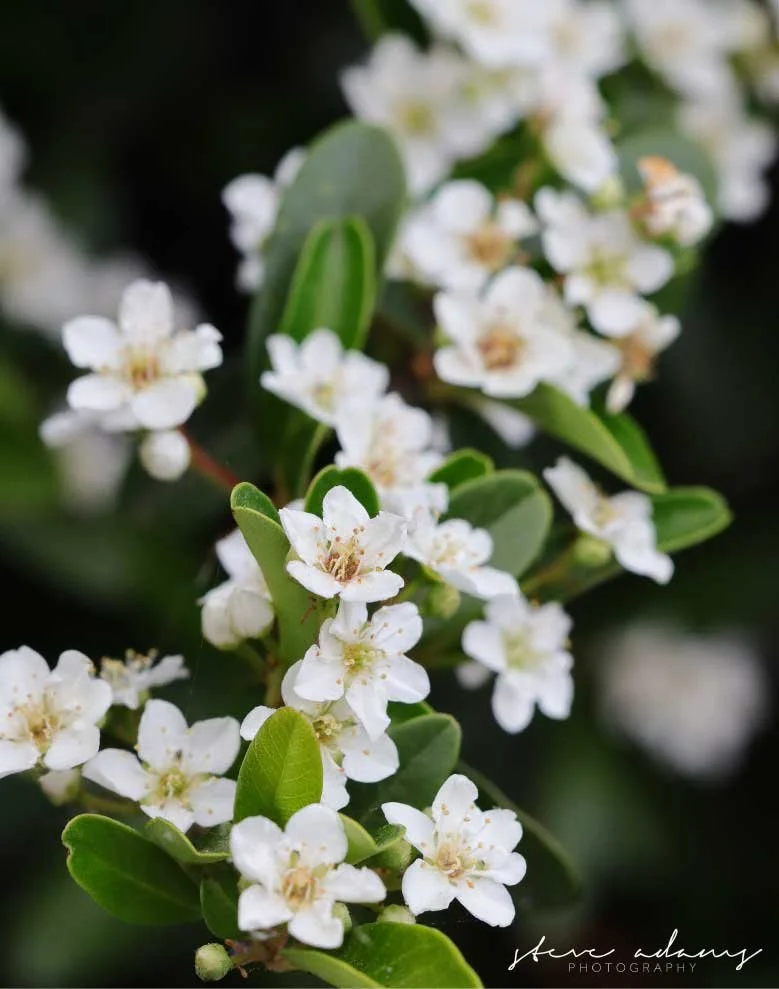
This is the first thing that trips people up, and it tripped me up too. When you get in close with a macro lens, your depth of field shrinks down to almost nothing. We're talking millimeters sometimes. Focus on the front edge of a petal and the back of that same petal might already be soft.
Don't fight this. Learn to use it. A narrow depth of field is what gives macro photography that dreamy, almost otherworldly quality, where one tiny sliver of the flower is razor sharp and everything else melts away into color and light. Pick your point of focus with intention. Usually that means the closest edge toward the camera, or wherever the eye naturally wants to land first.
Shoot in the calm of early morning or right at sunset
I know I say this about basically everything I photograph, but it matters even more here. Wind is the enemy of macro photography. A breeze that you wouldn't even notice standing in a field will send a flower rocking back and forth just enough to ruin your focus completely. Early morning, before the day heats up and the air starts moving, is usually your calmest window. If mornings aren't realistic for you, sunset tends to settle down the same way, and you get a second shot at that same still, quiet air.
There's a bonus to shooting early too. That's when you'll find dew still sitting on petals and leaves, little beads of water catching the light in a way that adds texture and life to a photo that a dry flower in the middle of the afternoon just can't match. Sunset won't give you the dew, but it hands you something else worth chasing, which I'll get to in a minute.
Use a tripod, even when it feels unnecessary
I resisted this for a long time because a tripod feels like a hassle when you're just wandering through a garden. But at macro distances, even the tiniest movement from your hands shows up as blur. A tripod, or at the very least bracing yourself against something solid, will save you more shots than almost anything else on this list.
If you don't want to carry a full tripod, a small tabletop one works surprisingly well for flowers close to the ground. Get low, get stable, and let the camera do the holding still instead of your hands.
Work your angles
It's easy to plant your feet in front of a flower and shoot it straight on, get the shot, and move along to the next one. I'd encourage you to slow that process down. Walk all the way around the flower before you settle on anything. Get down below it and shoot upward toward the sky. Look almost straight down into the center of the bloom. Try it from the side where you can see the whole profile of the petals stacked on top of each other.
The angle you land on almost never ends up being the one you started with. Some of my favorite shots came from getting down flat on the ground, camera nearly touching the dirt, just to find an angle nobody else walking past that same flower would have bothered to look for.
Don't be afraid to get closer than feels natural
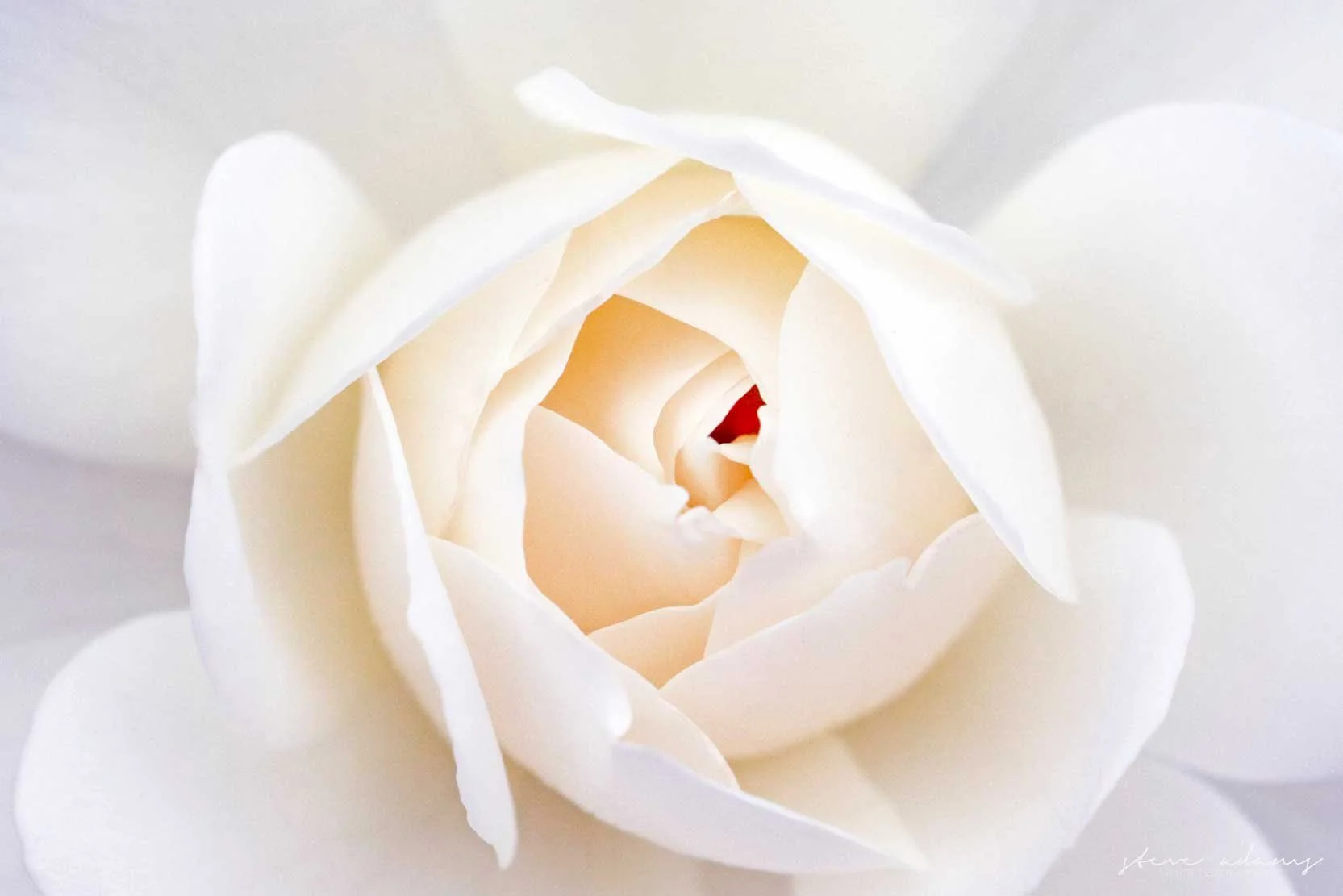
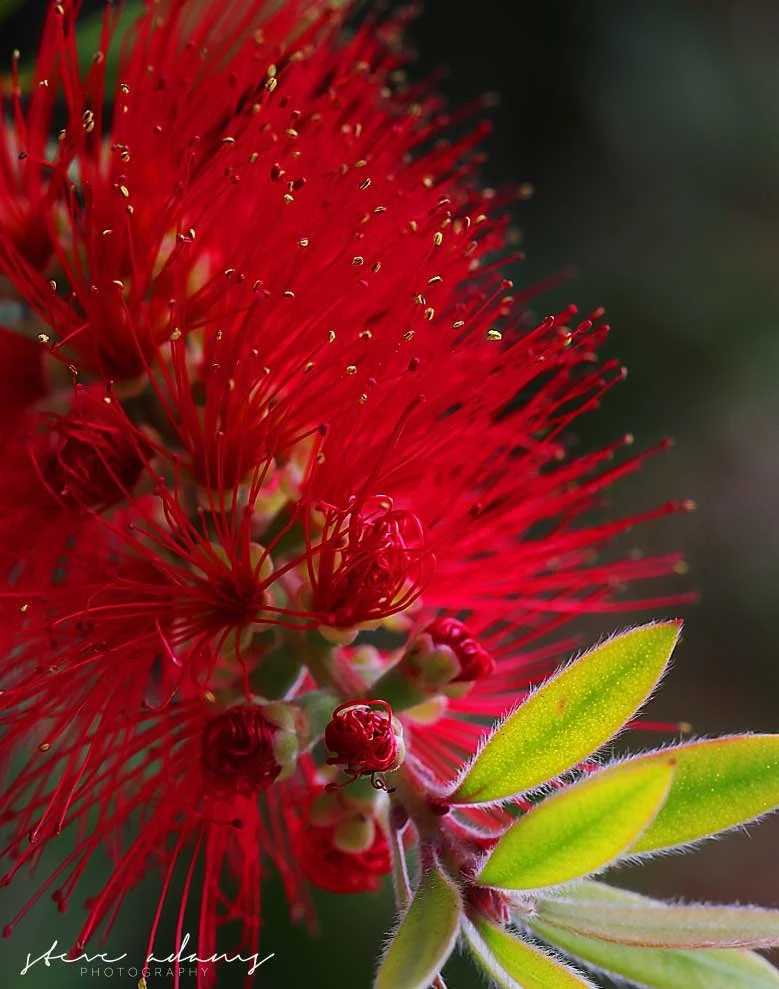
Most people photograph a flower the way they'd photograph a person, standing back far enough to fit the whole thing in frame. Macro photography asks you to do the opposite. Get in close enough that the flower stops looking like a flower and starts looking like texture, pattern, color.
Fill the frame with a single petal. Photograph just the center of the bloom where the pollen sits. Some of my favorite macro shots barely look like flowers at all until you step back and realize what you're looking at. That's usually a good sign you got close enough.
Pick the detail you want to capture and stay focused on it
Flowers have a lot going on. Petals, stamen, veins, dew, texture, color, all of it competing for attention in the same small frame. Before you press the shutter, decide what you actually want this particular photo to be about. Is it the curl of a single petal edge. The dusting of pollen sitting on the stamen. The way light is passing through the thinnest part of the bloom.
Once you know what you're actually after, let everything else in the shot support that one thing instead of fighting with it. Trying to capture every interesting detail on the flower at once usually ends up capturing none of them particularly well.
Watch your background as closely as your subject
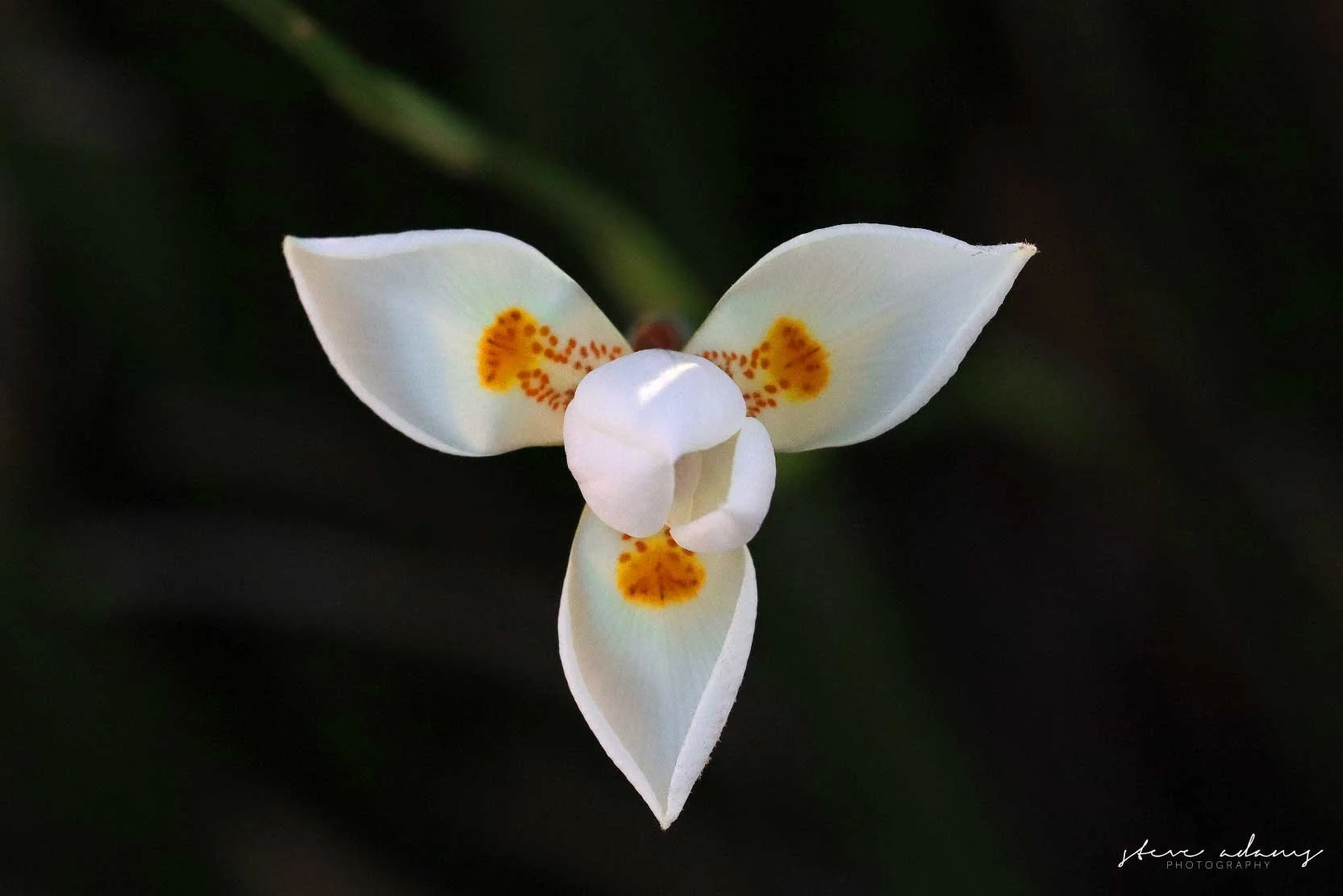
It's easy to get so focused on the flower itself that you forget what's happening behind it. A busy, cluttered background will fight with your subject and pull the eye away from the thing you actually want people to look at.
Move around before you commit to a shot. Sometimes just shifting a few inches to one side puts a plain patch of shadow or greenery behind your flower instead of a distracting mess of stems and other blooms. A wide aperture will also blur that background down into soft color, which almost always helps a macro shot feel cleaner and more intentional.
Let imperfections stay
I used to hunt for the one perfect, flawless bloom in a whole garden before I'd even take my camera out. I don't do that anymore. Some of the most interesting macro photographs I've taken are of flowers that are a little past their peak. A curling, browning edge on a petal. A leaf with a small hole chewed into it by something that got there before I did. Nature isn't perfect, and honestly, the imperfect version often tells a more honest, more compelling story than the flawless one would have. Don't walk past a flower just because it isn't textbook pretty.
Photograph the whole life cycle, not just the bloom
Along those same lines, don't just aim for full, wide open flowers every time. A tight, unopened bud has its own quiet kind of beauty, all that color and shape still coiled up and waiting. A fading flower, one that's starting to curl in on itself and lose a little color, tells a different story entirely. Try to come home with a mix of all three, buds, full blooms, and ones on their way out. Photographed together, they end up saying something about time passing that a garden full of identical perfect flowers never quite manages to say on its own.
Let imperfections stay in the frame
I used to hunt for the one perfect, flawless bloom in a whole garden before I'd even take my camera out. I don't do that anymore. Some of the most interesting macro photographs I've taken are of flowers that are a little past their peak. A curling, browning edge on a petal. A leaf with a small hole chewed into it by something that got there before I did.
Nature isn't perfect, and honestly, the imperfect version often tells a more honest, more compelling story than the flawless one would have. Don't walk past a flower just because it isn't textbook pretty.
Photograph the whole life cycle, not just the perfect bloom
Along those same lines, don't just aim for full, wide open flowers every time. A tight, unopened bud has its own quiet kind of beauty, all that color and shape still coiled up and waiting. A fading flower, one that's starting to curl in on itself and lose a little color, tells a different story entirely. Try to come home with a mix of all three, buds, full blooms, and ones on their way out. Photographed together, they end up saying something about time passing that a garden full of identical perfect flowers never quite manages to say on its own.
Chase the backlight
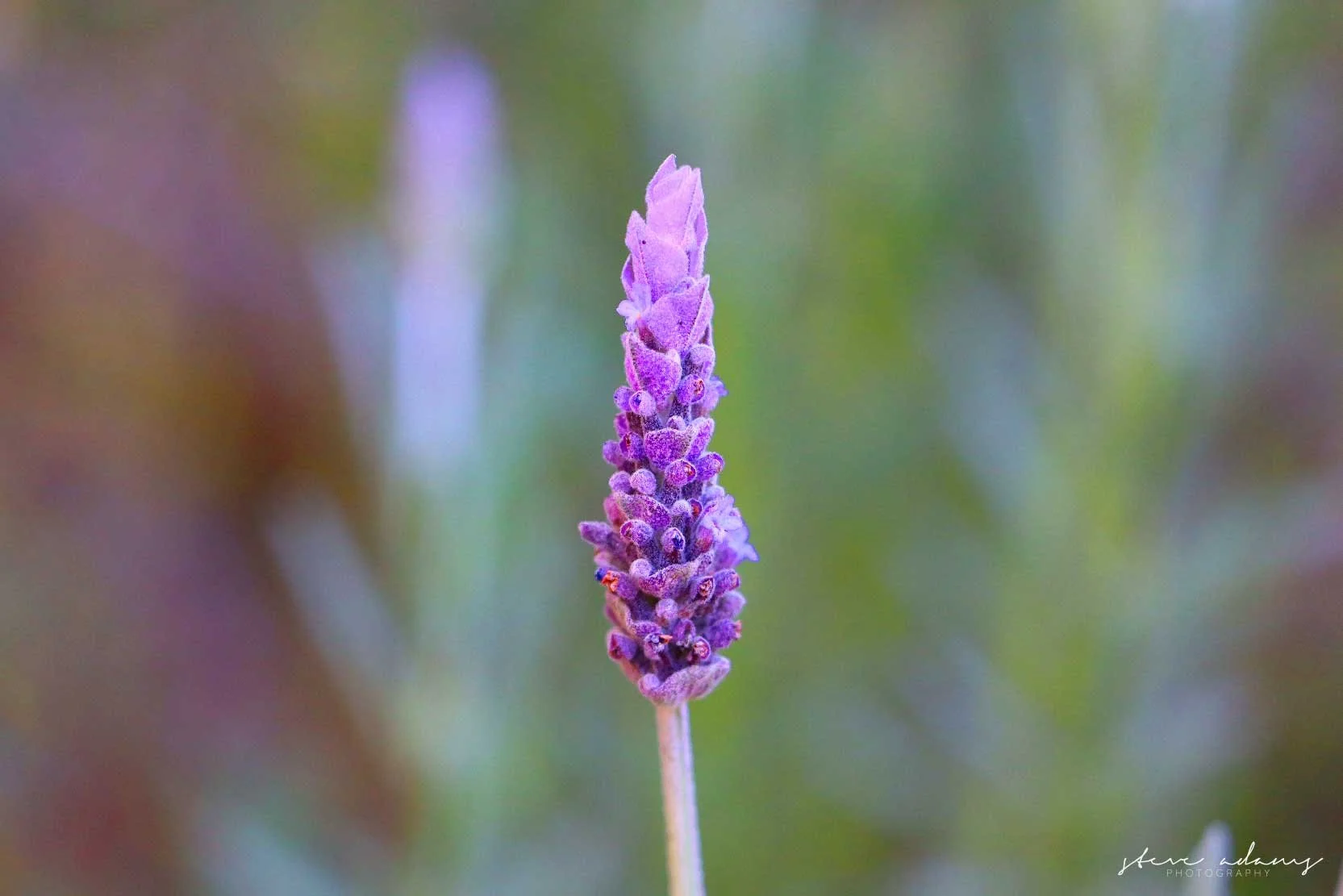
If you only take away one lighting tip from this whole post, let it be this one. Position yourself so the sun is behind the flower rather than behind you. Backlighting a thin petal makes it glow, lighting up the veins inside it in a way that front lighting just can't replicate. It's one of those techniques that looks complicated but is really as simple as walking around to the other side of the flower.
Early morning and late afternoon light work best for this, when the sun sits low enough in the sky to shine through the petals instead of just bouncing off the top of them.
Pay attention to the color of the light
Light isn't just bright or dim, it has a color to it, and that color changes the entire feel of a macro shot. Early morning light tends to run cool and soft, almost blue in the shadows. Sunset swings the other way entirely, turning warm, golden, sometimes almost pink depending on the sky that day. The harsh light in the middle of the afternoon is closer to white and flat, which is exactly why it's the least flattering of the bunch.
Notice which one you're working with before you start shooting. A warm sunset glow behind a red or orange flower will practically light itself. That same warm light behind something pale and delicate might wash it out. Match the color of your light to the flower in front of you instead of just shooting whatever's available and hoping for the best.
Pay attention to what's crawling around
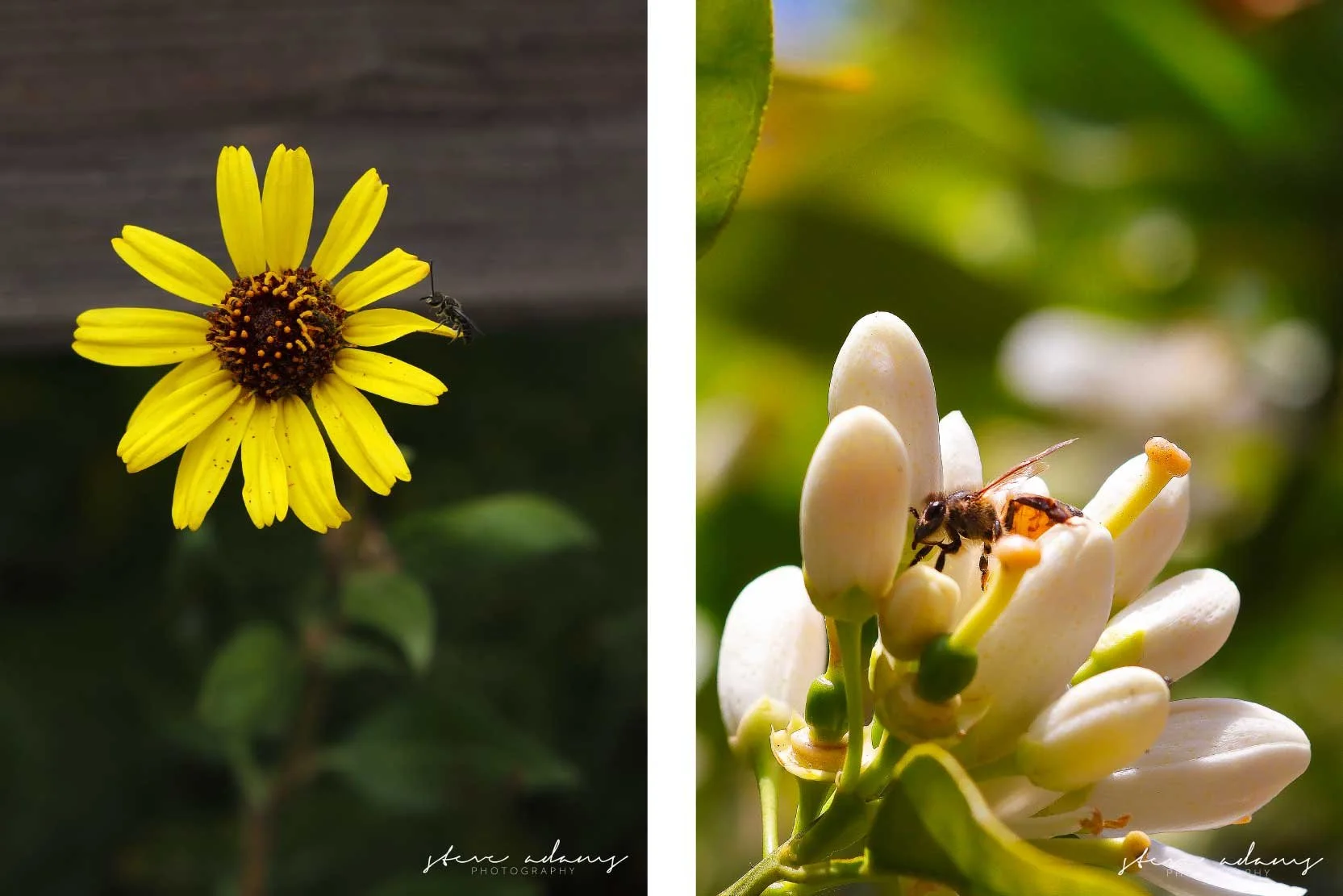
Some of my favorite macro shots weren't planned at all. They happened because a bee landed mid frame while I was already set up, or a tiny spider had built a web between two stems that I hadn't noticed until I looked through the viewfinder. If you're patient and you keep your camera ready while you're working a flower, you'll start noticing all the small life that shares the frame with it.
Give yourself a little extra time at each spot instead of moving on the second you get your shot. The best moment is sometimes still coming.
Bring patience, not just gear
Macro photography has taught me more about patience than any other kind of photography I do. You can't rush it. A gust of wind will make you wait. The light won't cooperate on your schedule. A bee might land right where you were about to focus and you just have to let it happen instead of getting frustrated by it.
I've spent twenty minutes on a single flower before, adjusting an inch at a time, waiting for the wind to settle, trying a dozen angles before one finally felt right. That kind of slow, quiet attention is really the whole point. It's not wasted time. It's the work.
See the small things, not just the big ones
I still love photographing cliffside towns and rolling countryside, and I don't think that's ever going to change. But macro photography reminded me of something I'd honestly forgotten. You don't have to travel across the world to find something worth photographing. Sometimes it's sitting in a pot on your own porch, and you just have to get close enough to actually see it.
Grab your macro lens next time you walk past a garden you'd normally just pass by. Get down low, get in close, and give it more time than feels necessary. There's a whole quiet world in there waiting for you to notice it.
And when you're out there, on your knees in the dirt with your eye pressed to the viewfinder, try to actually enjoy it. You're about as close to nature as you can get, kneeling right up against one of its smallest, most beautiful details. Don't rush past that just to get to the next shot. Stay present with it while you can.
