

Macro Photography for Beginners: How to Get Started without Overthinking It
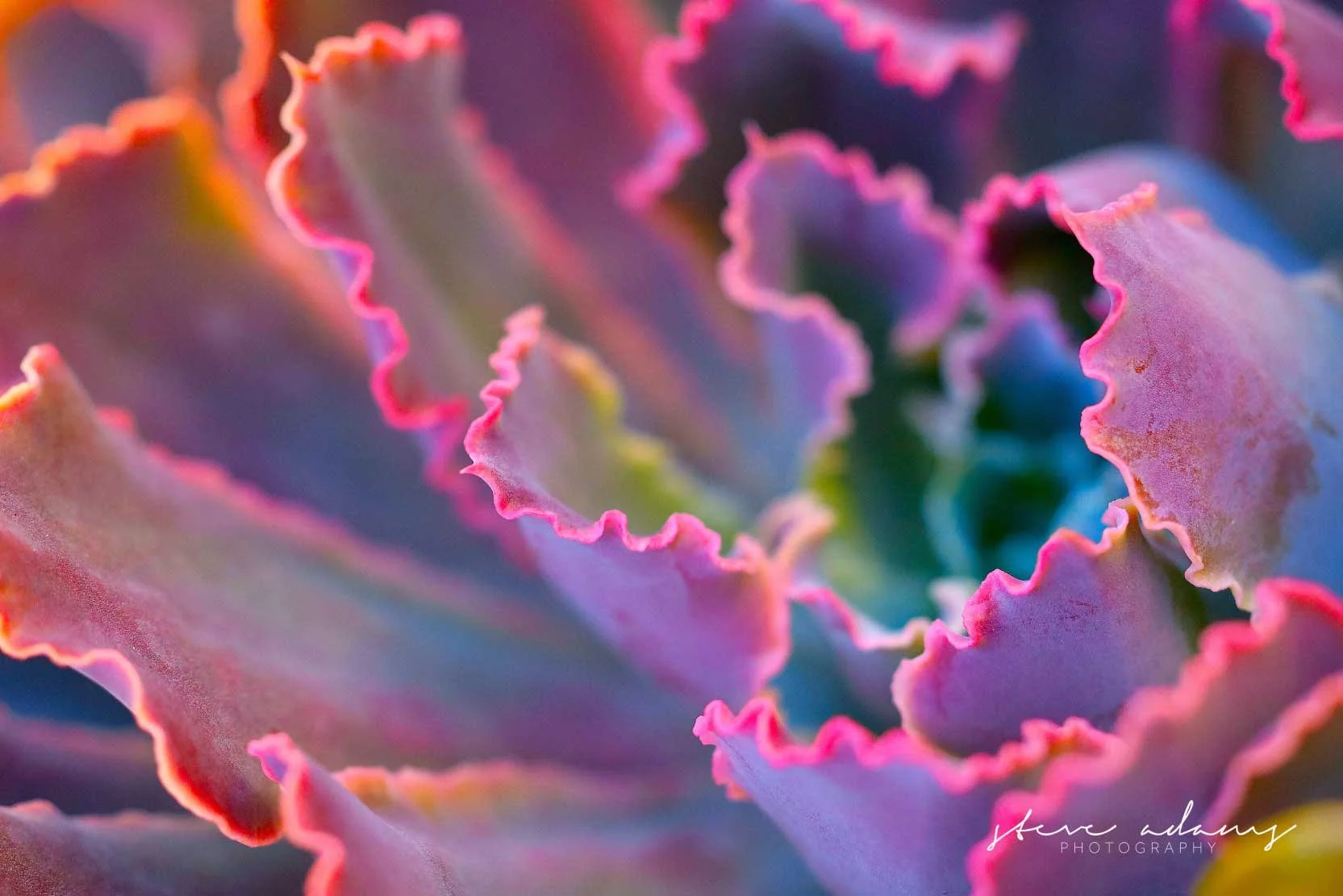
If you are just getting started with macro photography, my biggest piece of advice is pretty simple: slow down.
Macro photography can look intimidating at first. You see those incredible close-up photographs where you can count the hairs on a bee or see every little detail in a flower, and it is easy to think you need a bunch of expensive gear and a perfect setup.
You really don't.
You just need something interesting to photograph, a little patience, and the willingness to get closer than you normally would.
I love macro photography because it makes you notice things you would normally walk right past. A flower becomes an entirely different subject when you get close. The texture of a leaf, the center of a flower, a tiny insect, or even a drop of water can become the whole photograph.
Here are a few things I have learned that can make getting started a lot easier.
Slow Down
First and foremost, one of things you’ll need is focus. You’ll need you full attention to get started, and it has nothing to do with photography.
Slow down mentally.
Find a place where you can get away from the noise for a little while. It might be your backyard, a garden, a trail, or somewhere near the ocean. It doesn't really matter where it is. What matters is giving yourself a little space to be quiet. When I am photographing in macro, I find that my mind starts to settle down. I stop thinking about everything else I have going on and start paying attention to what is right in front of me.
The light or the movement of a flower. The tiny details in a leaf or a bee moving from one flower to another.
You start to tune in.And when you do, something pretty cool happens. You stop trying so hard to take a photograph and start seeing photographs.
I think that is where the creative part takes over. You notice things you probably would have walked right past five minutes earlier. You start seeing patterns, shapes, textures and little moments that you might normally miss.
For me, that is one of the best things about photography in general. It gives you permission to stop for a minute. You don't have to be thinking about the next thing on your list. You don't have to be trying to make something amazing. Just slow down, tune in and see what catches your eye. Sometimes the photograph you take is almost secondary to what happened while you were looking for it. And honestly, I think we could all use a little more of that.
Start With Something That Isn't Going Anywhere
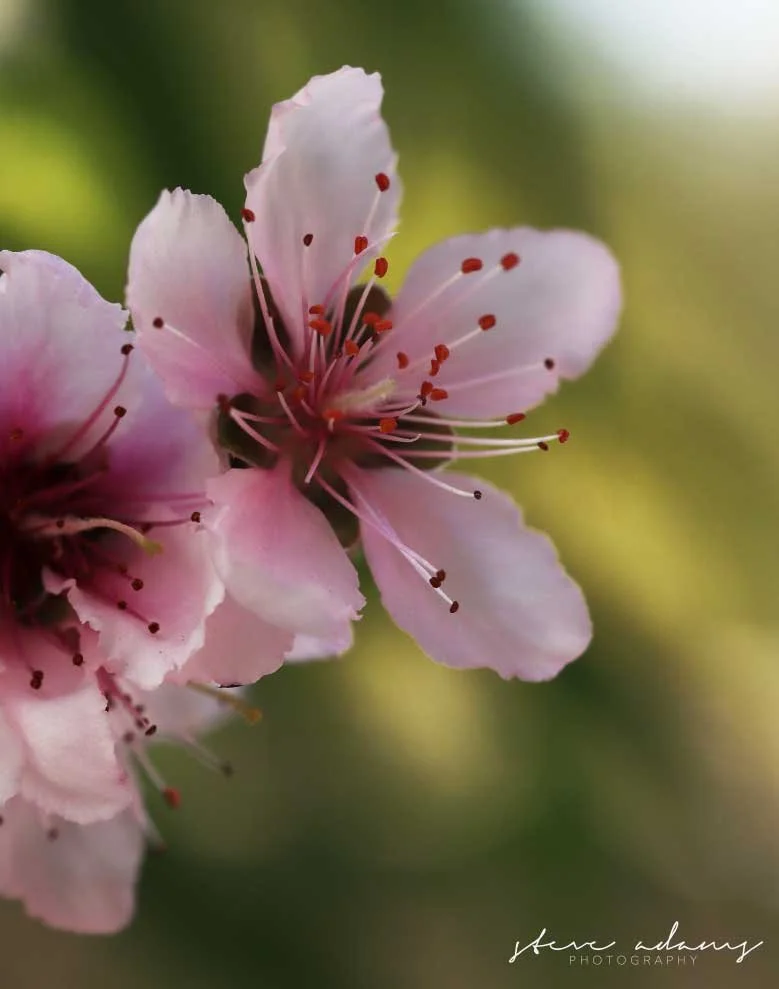
If you are a beginner, I would start with flowers. They are easy to find, are typically intricate, not to mention beautiful. They are not going to fly away, run away, or suddenly decide they have somewhere else to be.
Once you get comfortable, start looking for insects and other small things outside. That is where macro photography gets really fun.
Get as Close as You Can
This sounds obvious, but it is probably the biggest difference between a regular photograph and a macro photograph.
Get close. No, I mean closer. Really close. Look through your camera and start paying attention to what happens as you move in. You will be surprised how different something looks when you fill the frame with it.
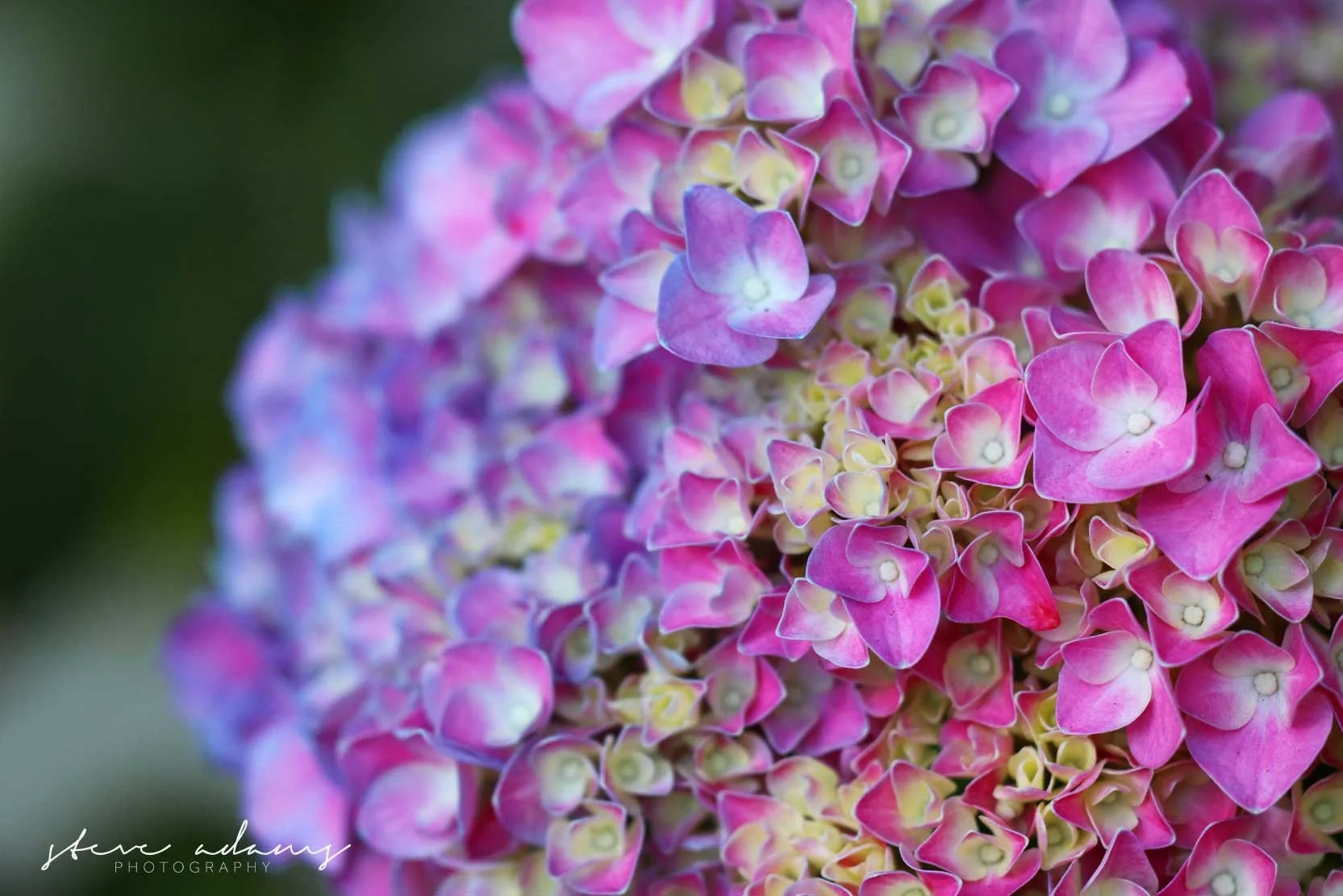
You also don't always need to photograph the entire subject. In fact, some of my favorite macro photographs are just small pieces of something. You don't have to show the whole flower. Photograph the center, the petal, and the overall texture.
Look for something that catches your eye and forget about trying to show everything.
Pay Attention to Your Focus
This is where macro photography can get frustrating. When you get really close to your subject, your depth of field becomes incredibly shallow. That means you might have the tip of a flower in focus while everything just a tiny bit behind it is already blurry. You have to define where you want you focus to land.
At first, you might think your camera is doing something wrong. It isn't. That shallow focus is part of what makes macro photography look so good. The trick is learning to use it.
I usually start by deciding exactly what I want the viewer to look at. If it is the center of a flower, that is where I want my focus. If it is an insect's eye, I want the eye sharp. Don't worry about getting the entire subject in focus.
Sometimes having just one small area perfectly sharp makes the photograph much more interesting.
Don't Ignore the Background
This is one of the easiest things to overlook when you are starting out. You get excited because you found a great flower or insect, you get your camera close, and you start shooting. Then you look at the photograph later and realize there is a giant ugly leaf, piece of dirt, or random object right behind your subject.
Before you take the photograph, move around. You don't necessarily have to move the subject. Just move yourself. Take one step to the left. Get lower, move higher, even try a different angle. You can completely change the background without touching your subject. This is one of the easiest ways to make your macro photographs look better.
Try Shooting in the Morning
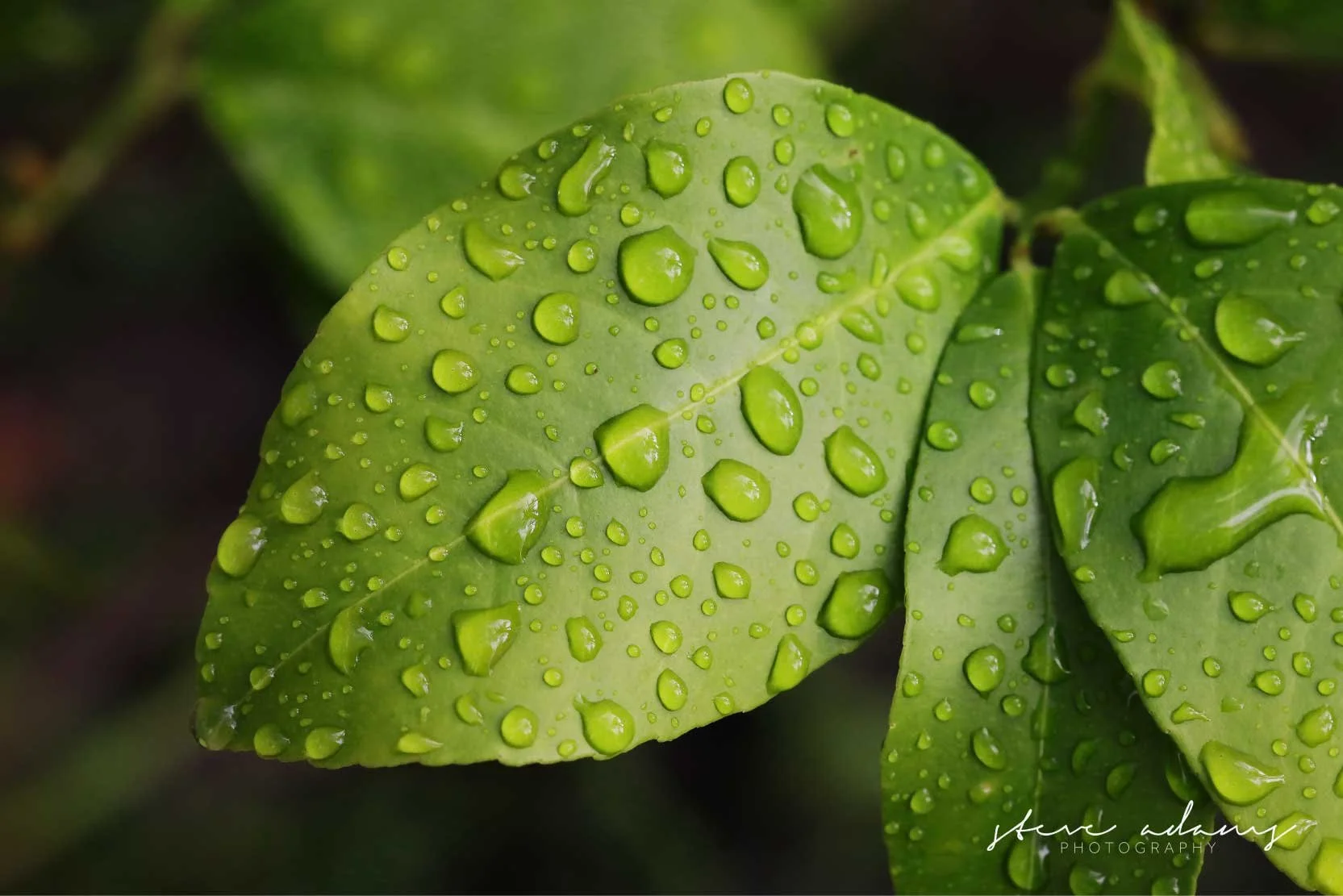
If you are photographing outside, I usually recommend starting with the early morning light. It light tends to be softer, and there can be dew on flowers and plants that gives you another element to work with. It is also often easier to find insects that are not quite as active early in the day.
And honestly, there is something pretty great about being outside with a camera early in the morning when everything is quiet. You don't need perfect light, but soft light is your friend when you are perfecting your macro craft.
Watch the Wind!
This one will drive you crazy. It still drives me insane all these years later. Haha! You can find the perfect flower, get your focus exactly where you want it, get everything framed perfectly, and then a little breeze moves the flower just as you press the shutter.
Now your photograph is blurry. Welcome to macro photography.
When I am photographing outside, I try to pay attention to the wind before I even start shooting. Sometimes you just have to wait for a few seconds when everything settles down.
If it is really windy, take a lot of photographs. Your goal is not for every photograph to work. Your goal is to get the one.
You Don't Need a Fancy Camera
This is something I think gets overcomplicated. Yes, there are amazing macro lenses and expensive camera setups that can produce incredible results. But if you are just getting started, use the equipment you already have. If you have a camera with a macro lens, great. If you have a phone that has a decent close-up mode, start there.
The most important thing is learning how to see. Once you start noticing the little things around you, you will have plenty of subjects. And once you start getting better, you can decide whether you actually need more gear.Try Different Angles
Don't take one photograph and move on.
Take ten. Take as many as it takes. This will ensure you have a lot to work with when you get in into your editing software.
PRO TIP: Try photographing toward the light. This will add more magic to your shot!
In the end, you might be surprised which one you like best. Macro photography gives you the chance to really experiment because your subject is usually small enough that moving just a few inches can completely change the photograph.
My Biggest Tip: Examine Your Space
I think this is probably the most important thing I can tell someone who is new to macro photography.
Slow down. Look before you shoot. Find something interesting. Watch the light and the background. Figure out exactly what you want to be in focus.
Then take the photograph. And take another one. Then another. Macro photography has a way of making you notice things you normally miss. That is probably my favorite part of it. You start walking through a garden or along a trail and suddenly you are looking at everything differently. You don't have to travel somewhere amazing to make a great macro photograph. Sometimes you just have to stop and look a little closer.
