

Top Photography Spots in the Cotswolds
Maybe it is the honey-colored stone. Maybe it is the winding roads, old cottages, little footpaths, stone walls, or the way everything seems to fit together without trying too hard. The Cotswolds are full of beautiful places to photograph, but some spots just seem to make you stop the car and grab your camera.
My family and I recently took a trip to England had ample time to explore this beautiful country side. I, of course, took my camera, looking for those little scenes that feel like the Cotswolds you picture in your head. Not just the big, obvious views, but the quiet streets, old buildings, flowers, bridges, and little details that make each village feel like its own place.
Here are some of my favorite photography spots in the Cotswolds.
Upper and Lower Slaughter
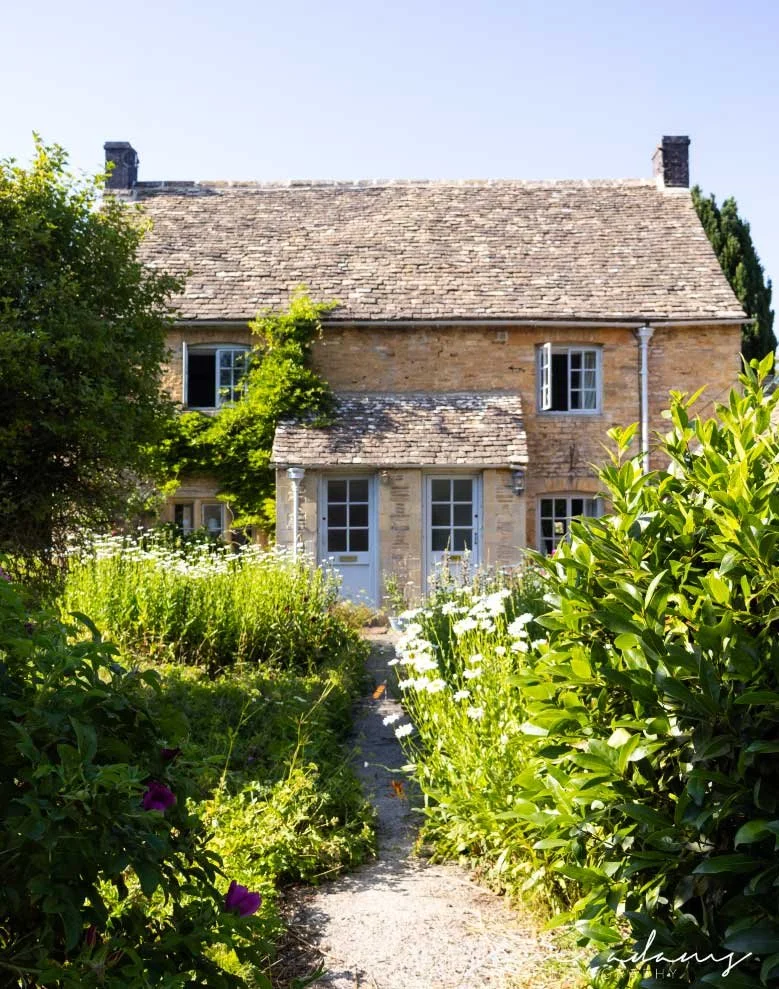
Upper and Lower Slaughter are two of those places that almost don't look real.
The villages sit just a short distance from each other, connected by the River Eye and a walking path. The river, old stone buildings, little bridges, and gardens give you plenty to work with photographically.
Lower Slaughter is probably the more recognizable of the two, especially around the little stone footbridges and the old mill. It is easy to understand why photographers are drawn here.
Walk along the river and look for reflections in the water. Pay attention to the way the cottages line up along the banks. The little bridges make great foreground elements, and depending on the time of day, the light can completely change the feeling of the scene.
And then make your way over to Upper Slaughter.
This is where I would really encourage you to slow down. Upper Slaughter feels quieter and a little more tucked away. There are fewer people, and that gives you more room to wander and actually look around. The village has beautiful old homes, stone walls, gardens, and little paths that lead you from one view to another.
If you have the time, walk between the two villages. The path follows the River Eye and gives you a completely different perspective of the area. It also gives you a chance to put the camera away for a few minutes and just enjoy where you are.
Bibury
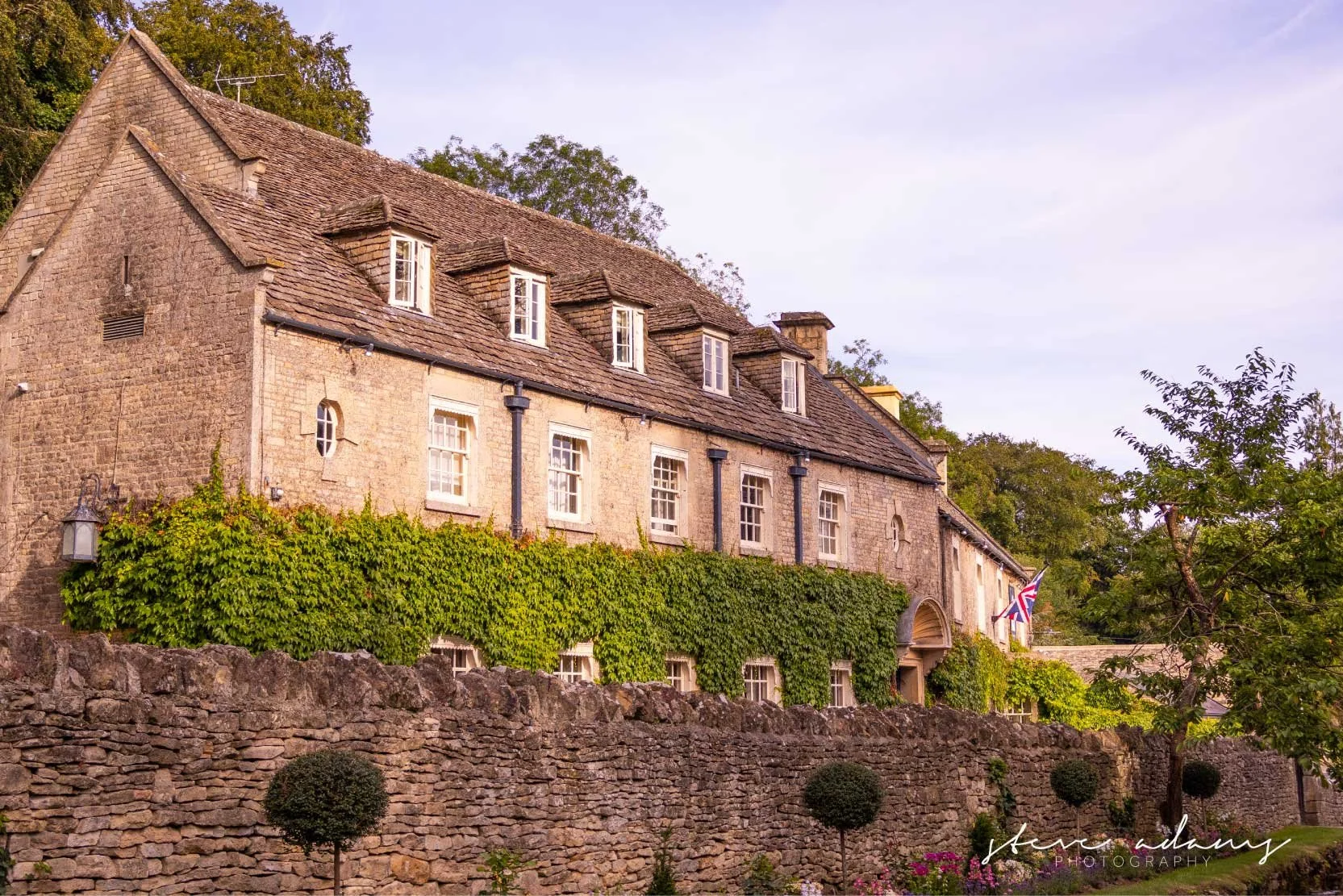
Bibury is probably one of the most photographed villages in the Cotswolds, and for good reason.
Arlington Row is the obvious place to start. The row of old cottages along the little stream is one of those scenes that you can photograph a hundred times and still find something different.
The trick is to not just take the postcard shot and move on.
Look at the way the light hits the stone. Look for reflections in the water. Walk around the area and look for different angles. Early morning can be especially nice when things are quieter and the light is softer.
And yes, take the classic photograph. There is a reason it has become so iconic.
Just don't let that be the only photograph you take.
Bampton
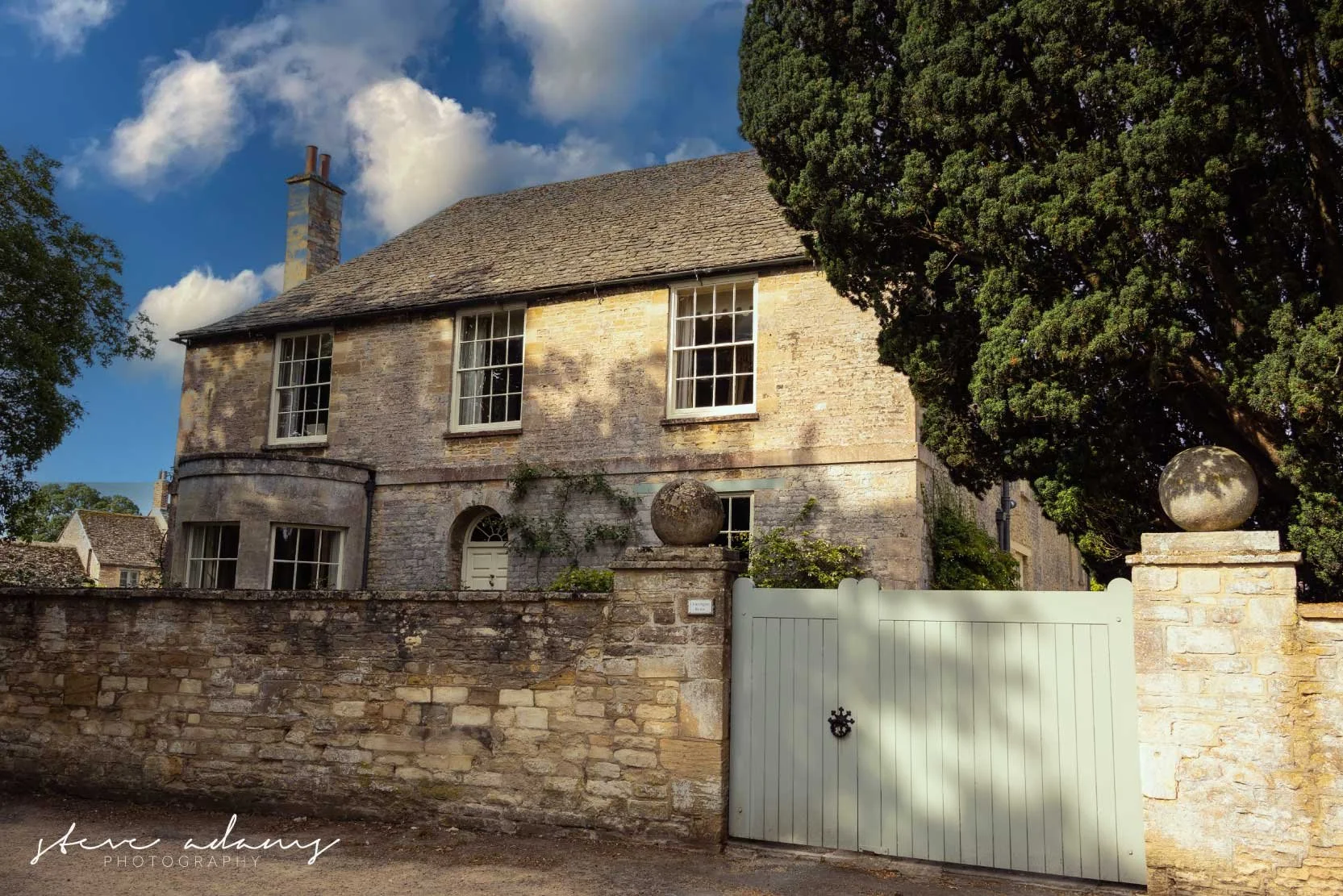
Bampton has a completely different feel from some of the more famous Cotswolds villages. I guess, technically it may not be a part of the official Cotswolds, but trust me. It’s worth the visit!
It is quieter, and that is part of what makes it so enjoyable to photograph. You can wander without feeling like you are constantly trying to get the same photograph as everyone else. The village has beautiful stone buildings, old churches, quiet streets, gardens, and plenty of little corners worth exploring. If you are someone who likes photographing details and everyday village life, Bampton is a great place to slow down and wander.
It was also used as a filming location for Downton Abbey, which gives some of the village streets an especially familiar feel.
For me, though, the best part is simply walking around with no real plan. Sometimes the best photographs happen when you aren't looking for them.
Burford
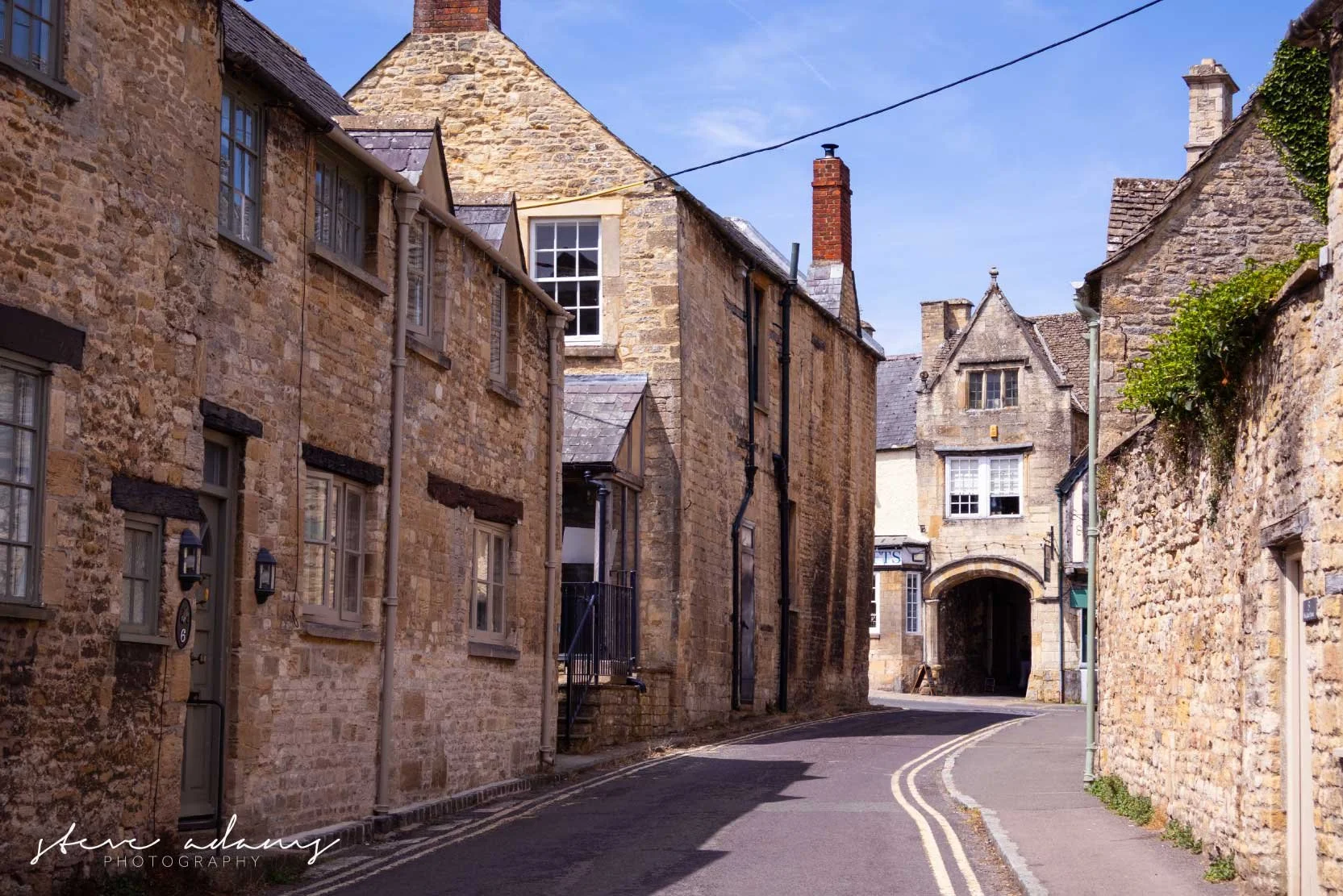
Burford is one of those places where I could probably spend an entire day with a camera.
The main street is full of classic Cotswolds architecture, but there is much more to photograph than just the buildings. Look down the side streets. Look behind the buildings. Pay attention to doorways, windows, signs, flowers, stone walls, and the little imperfections that give the town character.
The hill through Burford is also worth exploring. The changing elevation gives you some interesting perspectives, especially when you start looking back through the village. And don't be afraid to photograph people here. A person walking down an old stone street can add a sense of scale and life to an otherwise static photograph. Burford feels lived in - feels like you’re instantly home. Highly recommend!
A Few More Cotswolds Spots Worth Exploring
There are obviously a lot more places to photograph in the Cotswolds than the four places above. These are a few that are on my list, even though I don't have photographs from them to share here.
Chipping Campden
Chipping Campden is definitely one I would have on my list if you are planning a photography trip through the Cotswolds.
It has that classic Cotswolds look that photographers are always looking for, with beautiful honey-colored stone buildings, old cottages, narrow streets, and plenty of architectural details. The High Street is probably the first place you'll want to explore, and for good reason. The buildings along the street have so much character, and the changing angles of the road give you plenty of different compositions to work with.
I'd also spend some time wandering away from the main street. The surrounding lanes and residential areas give you a chance to see a quieter side of Chipping Campden. Look for stone walls, gardens, old gates, and cottages tucked just far enough away from the main road that you might otherwise walk right past them.
If you are photographing in the morning, the softer light can be beautiful against the warm stone. Later in the day, look for shadows and side light that bring out the texture in the buildings.
Chipping Campden is the kind of place where I'd want to park the car, grab my camera, and just walk. Take the obvious photographs first, then start looking for the smaller things. Those are usually the photographs that feel a little more personal when you get home.
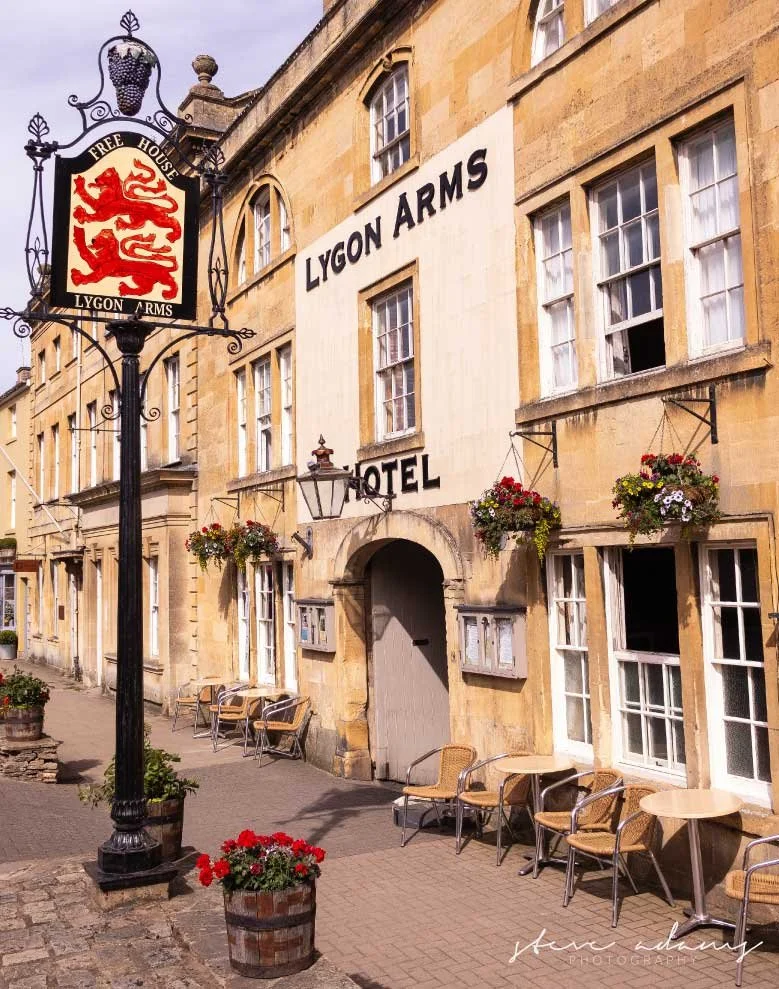
Taynton
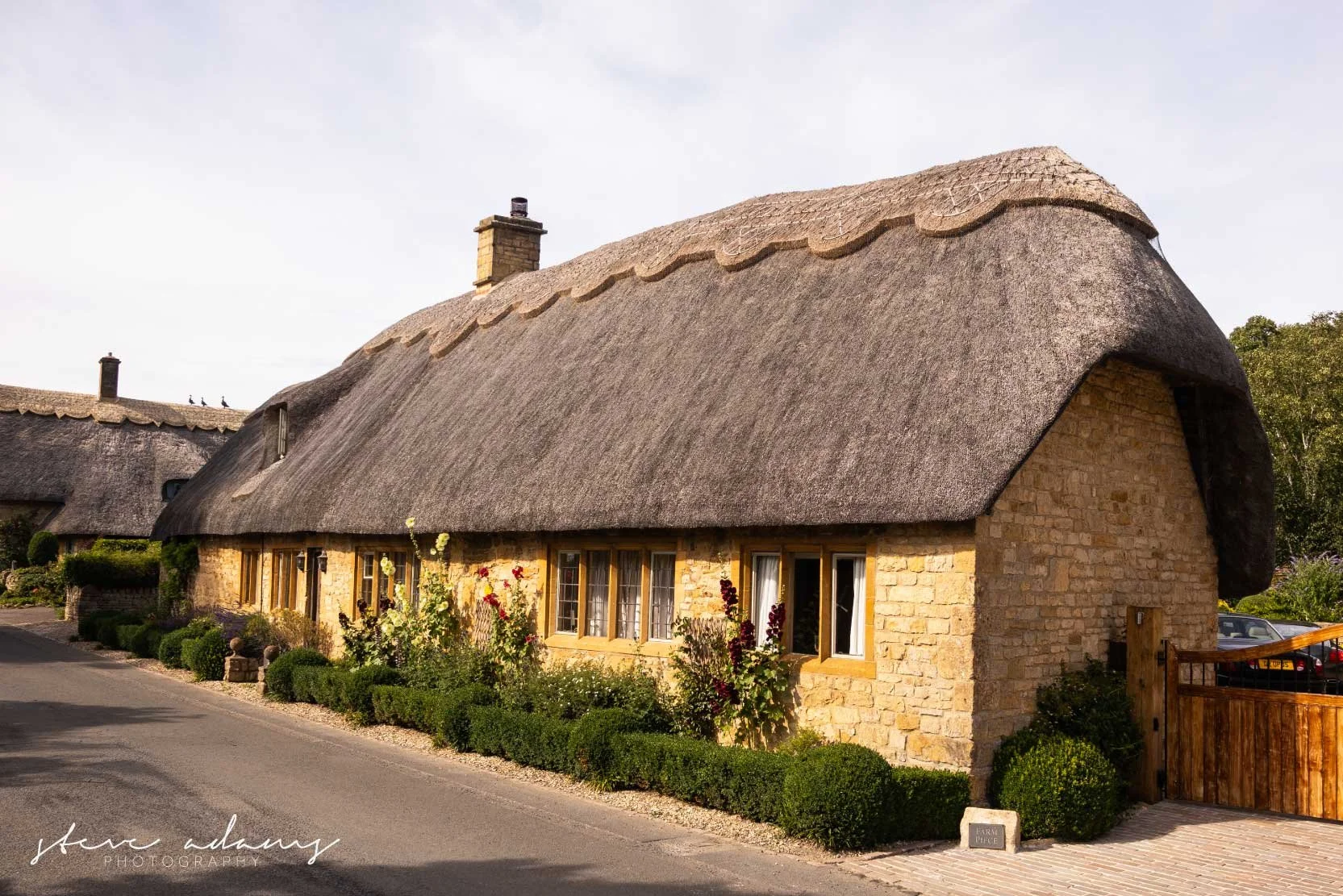
Taynton is a smaller, quieter village, which is exactly the kind of place I like looking for with a camera.
You won't necessarily have the same iconic postcard scenes you find in Bibury or Lower Slaughter, but that is part of the appeal. Quiet villages give you a chance to slow down, look around, and photograph the character of the area without feeling like you have to capture one specific view.
Cirencester
Cirencester is a little different from the tiny villages that probably come to mind when you think about the Cotswolds.
It has more of a market-town feel, with historic buildings, streets, shops, churches, and plenty of opportunities for street photography. If you like mixing architecture with people and everyday life, it is worth having your camera with you.
Stow-on-the-Wold
Stow-on-the-Wold is another one of the Cotswolds towns that deserves some time.
The market square is an obvious starting point, but I'd also wander through the smaller streets and alleys. The old stone buildings, doors, windows, and little passages are exactly the kinds of details that can turn into great photographs.
Slow Down and Look Around
One of my biggest pieces of advice for photographing the Cotswolds is pretty simple: slow the hell down!
Not just your feet. Your mind, too. It is really easy to arrive somewhere beautiful, pull out the camera, take the obvious photograph, and immediately start thinking about the next place you need to see. Try not to do that.
Give yourself some time to just be there. Walk without worrying about whether you are getting the shot. Sit for a few minutes. Listen. Look at the light. Notice the flowers growing out of an old wall. Watch how the shadows move across the stone.
When you give yourself a little space to calm down and tune in, your creative focus starts to take over. And that is when I think photography gets really fun. You stop trying to photograph what you think you are supposed to photograph, and you start seeing what actually catches your eye.
That's what I love about the Cotswolds. You don't have to chase the perfect photograph.
