

What to Pack for Travel Photography
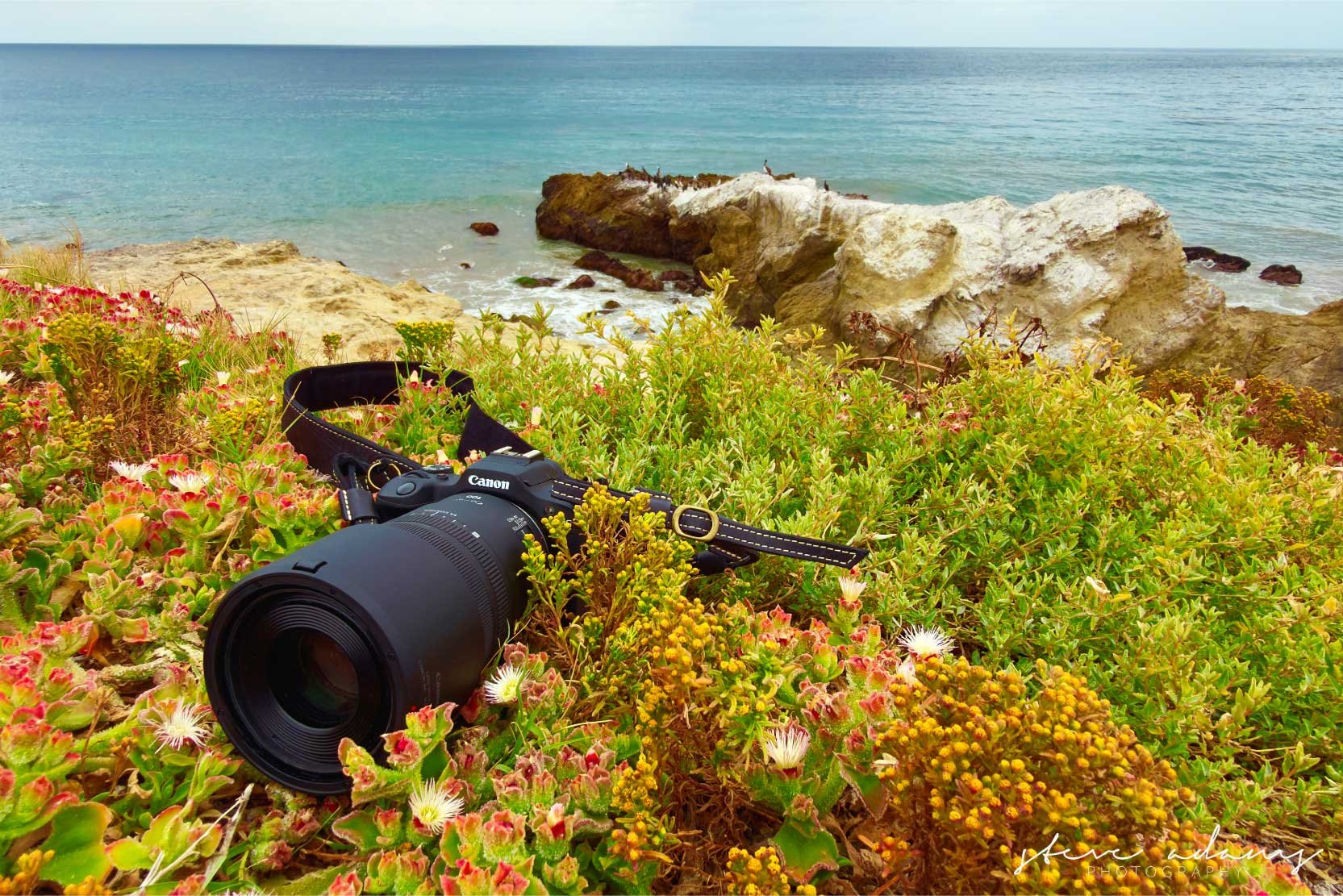
One of the questions I get asked a lot is, "What camera gear should I take when I travel?" And honestly, there isn't one right answer.
It really depends on where you're going, what you plan to photograph, how you like to shoot, and how much gear you are willing to carry around all day. Whether you're heading across the country for a weekend or traveling overseas for a couple of weeks, I think the biggest mistake is trying to bring everything.
You don't need your entire camera closet with you. You need the gear that gives you the best chance of getting the photographs you want while still allowing you to enjoy the trip. Here are a few things I think about when packing my camera gear for travel.
1. Think about what you are going to photograph
Before you start throwing lenses into your camera bag, think about what you are actually going to photograph. Are you going to be photographing cities and architecture? Landscapes? People? Wildlife? Street photography? Details? Maybe a little bit of everything? Your answer should help determine what lenses you bring.
If I know I'm going to be walking around cities all day, I want something versatile. If I'm heading somewhere with big landscapes, I may want something wider. If I know I'm going to be photographing details from a distance, I'll probably want a longer lens.
The same goes for accessories. Do you need extra batteries? Battery packs? Extra memory cards? A tripod? Filters? Maybe even a drone? Think about your destination and your plans before you pack. And if you're traveling overseas, don't forget to check the rules for drones before you leave. Regulations can vary by country.
2. Think about the bag, too
Camera equipment is heavy. That means your bag can also get heavy; really heavy. And that weight doesn't seem like much when you're standing in your living room packing your bag. It feels very different when you've been walking around a city for six hours.
Think about the camera bag itself. Is it comfortable? Is your equipment easy to access? Does it protect your gear? Can you carry it for an entire day without your shoulders hating you?
Pack smart. You don't necessarily need every lens you own just because you have room for it. If you are traveling for two weeks, you may be tempted to pack for every possible situation. But that usually means you end up carrying a lot of gear you never use.
3. Think about photos AND video
Travel has changed a lot over the last 20 years. We're not just taking photographs anymore. We're taking video, quick clips for social media, family videos and everything in between. Think about what you want to capture before you leave.
Do you need a microphone?
A small tripod?
Extra storage?
A power bank?
Maybe your phone is going to be part of your photography kit too. But be smart! You don't need to turn yourself into a one-person film crew. Just make sure the gear you bring works for the kind of content you want to create.
4. Think about your photography style
This one is important.
If you already know what kind of photography you love and let that drive your gear choices.
If you love wide landscapes, your bag will look different than someone who loves street photography. If you love details and compression, you may want a longer lens. If you love shooting people, you may want something fast and lightweight.
And if you don't really have a photography style yet, that's completely fine - thats great! Travel can actually be a great time to figure that out.
Try different things. Shoot wide. Shoot tight. Look for details. Photograph people. Photograph buildings. Slow down and see what catches your attention. You may come home from a trip realizing that the type of photography you thought you loved isn't actually your thing. That's part of the fun.
And depending on your style, think about whether you need filters. A polarizer can be useful for certain landscapes and reflections, while neutral density filters can give you more control in bright conditions. But again, don't pack something just because you think a photographer is supposed to have it. Bring it because you know you'll use it.
5. For heaven’s (or photographers) sake! Pack the lens hood
This is one of those really simple things that is easy to forget. Pack your lens hood.
You never know where the sun is going to be. You may be walking down a street and suddenly turn a corner directly into the afternoon sun. You might be photographing a landscape with light coming from the side. A lens hood can help reduce unwanted flare and also gives the front of your lens a little extra protection.
And you already own it. So, please, trust me, throw it in the bag.
6. Carry a Smaller Bag for the Walking
I love having the option to leave my larger camera bag behind. Especially when I'm traveling somewhere that involves a lot of walking. My back will hurt eventually and I am going to need a break - so plan for it.
A smaller sling or camera bag lets you take just the essentials. Maybe that's your camera and one lens. Maybe it's two lenses and an extra battery. That's it. Find that smaller bag, throw it in your larger suitcase for whenever you’re ready to use it.
It also makes you think differently about photography. When you only have one lens with you, you start looking for photographs that work with that lens instead of constantly wondering if another lens would be better.
Sometimes limitations are actually good for creativity.
Need a bag recommendation: here is a bag I love! Padded and protective, roomy and comfortable! I carry two lenses (with my hood), my camera, an extra batter, a simple tripod and my filters!
7. Practice changing your lens while walking
This sounds like a strange piece of advice until you need to do it. Practice changing your lens before you travel.
You don't have to literally do it while walking down the street, but get comfortable with where everything is in your bag and how quickly you can safely swap lenses. Travel photography can move quickly. You might turn a corner and see something incredible. The light might change. Someone might walk into the perfect spot. You may only have a few seconds.
You don't want to be standing there digging through your bag trying to remember where you put your other lens. Know your gear.Know your bag. And practice using it.
8. Have a backup plan for your photos
This may be the least exciting piece of travel gear you bring, but it may be the most important.
Have a plan for backing up your photographs. If you're going to be taking hundreds or thousands of images, don't let all of them live on one memory card for the entire trip. Bring enough cards and consider bringing a portable SSD or another way to back up your images.
If you are traveling overseas, I would especially recommend having a backup strategy. Think about what would happen if your camera was lost or stolen. The camera can be replaced. Those photographs of your family, the places you visited and the moments you experienced cannot.
9. Be ready for weather
Weather can change quickly when you're traveling. You can leave your hotel in perfect sunshine and end up caught in a downpour later that afternoon. A rain cover for your camera bag is small, light and easy to pack. I also like having a microfiber cloth somewhere I can get to quickly.
A little rain on your lens isn't the end of the world. But if you have to completely unpack your bag to find something to clean it with, you're going to miss the photograph.
10. Don't forget the boring stuff - the checklist
There are a few things that aren't very exciting but can completely ruin your photography day if you forget them
Extra batteries
Memory cards
Charging cables
Battery packs
Lens cloths
Your chargers
Plug adapters
Before you leave, charge everything and make sure everything works:
Clean your lenses
Check your batteries
Format your cards
Make sure your camera is set up the way you want it.
The best camera gear is the gear you will actually carry
At the end of the day, I think this is the most important thing to remember. The best travel camera gear isn't necessarily the newest or most expensive gear. It's the gear you will actually take with you.
If your camera bag weighs 30 pounds, you're probably going to get tired of carrying it. And when you get tired of carrying it, you may start leaving it behind. That's when you miss photographs. So think about what you want to photograph. Think about your style. Think about how much walking you'll be doing. Think about whether you're shooting photographs, video or both.
Then build your kit around the trip.
When I'm traveling, I want my camera gear to give me options without getting in the way of the experience. Because that's really what travel photography is about. You don't want to spend the entire trip looking down into your camera bag.
