

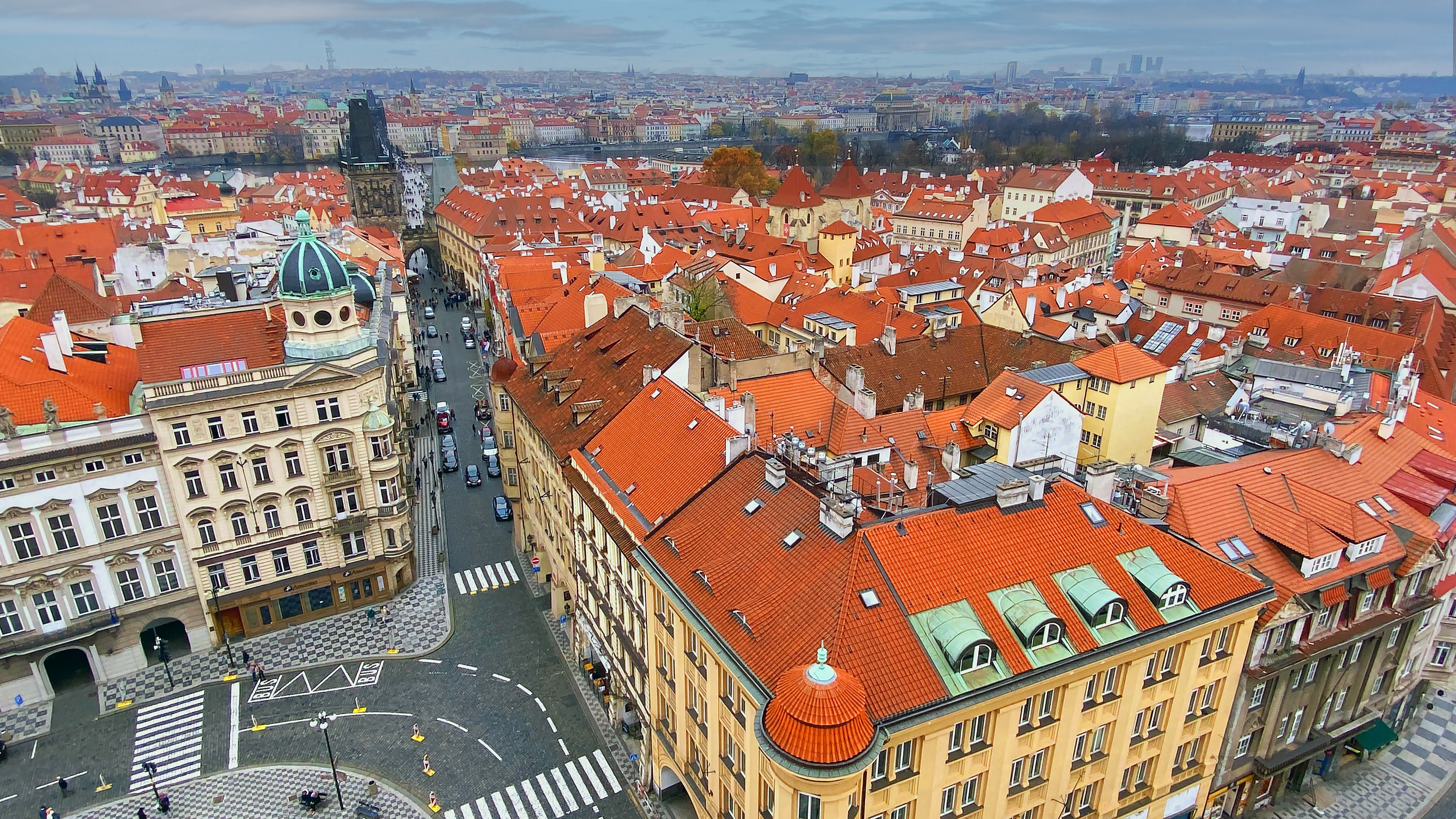
I hear it all the time. Someone is heading to Italy, or France, or England for the first time, and they want to know how to actually capture it. Not just take pictures of it. Capture it. There's a difference, and it took me a long time and a lot of wasted memory cards to understand what that difference actually is.
I've been lucky enough to photograph several of these places now. Positano, a town I dreamed about for thirty years before I ever set foot in it. The Cotswolds, which snuck up on me and became one of my favorite places I've ever photographed. A few hideaways of London. The corners of Prague and Vienna. And every single time, I come home having learned something new about how to actually see a place instead of just pointing a camera at it.
So here's what I've picked up along the way. Some of it is technical. Most of it isn't.
1. Slow down before you even take the camera out
I say this in almost every blog post I write, and I'm going to say it again here because it matters more than any lens or setting I could recommend. You cannot photograph a place well if you're rushing through it.
When we finally made it to Positano, I woke up before the sun and sat on our little balcony by myself for nearly an hour before I ever picked up my camera. I just watched. The light changing on the cliffs. A fisherman bringing in his morning catch. Shopkeepers sweeping their front steps like they'd done ten thousand mornings before that one. If I had walked out there and started shooting immediately, I would have gotten a photo of Positano. Instead, because I waited, I got a photo of that morning. There's a difference, and your eye can usually tell.
Give yourself permission to just stand somewhere and look before you compose anything. Ten minutes of doing nothing but paying attention will improve your photography more than any piece of gear you own.
2. Go early, or go late, and mean it
This one is simple advice, but people rarely follow it because it means giving up sleep or dinner plans. Do it anyway.
The most photogenic hour in any European city or village is almost always the hour right after sunrise. The streets are empty, the light is warm and low, and you get to see a place the way its own residents see it, before the tour buses show up and before everyone else with a camera has the same idea you do. In Bibury, in the Cotswolds, I got some of my favorite frames simply by being at Arlington Row before eight in the morning, when it was just me, the mist still sitting on the water, and nobody else around to get in the shot.
If mornings aren't your thing, the last hour before sunset works almost as well. What doesn't work nearly as well is the middle of the day, when the light goes flat and every street is full of the same fifty people trying to get the same fifty photos you are.
3. Take the obvious shot, then keep walking
Every famous place has that one photograph. You've seen it a hundred times before you ever arrive. Arlington Row from that one angle. The view down into Positano from the road above town. Big Ben from the bridge.
Take it. There is nothing wrong with the iconic shot, and there's a reason it became iconic in the first place. But don't let it be the only photograph you bring home. Once you've got it, keep walking. Turn down the side street nobody else is walking down. Look behind you. Look at what's happening at ground level instead of the wide view everyone photographs from the same three spots. Some of my favorite images from the Cotswolds aren't the postcard shots at all. They're a window framed inside an old stone archway, or a garden path leading up to a blue front door that nobody else stopped to notice.
The postcard photo gets you the location. The photos after it get you the place.
4. Let the details tell the story
I think this is the part people miss the most when they're photographing somewhere new. They get so focused on capturing the big, sweeping view that they forget the details are often what actually make you feel something when you look back at the photos years later.
Lemons hanging over a stone wall. Laundry strung between two buildings. A hand painted sign above a shop door. The texture of honey colored limestone that's been sitting in that same spot for three hundred years. These are the things that, when I look back at photographs from Positano or Burford or Chipping Campden, bring the whole trip back to me in a way the wide landscape shots never quite do.
Don't be afraid to get close. Fill the frame with something small. A place is made up of a thousand tiny details long before it's made up of one big view, and your photos should reflect that.
5. Let people into the frame
This one took me a while to get comfortable with, and I still have to remind myself of it. A street with a person walking down it feels alive in a way an empty street doesn't. It gives you scale. It gives you a sense of time and place. It reminds whoever is looking at the photo later that real people actually live and work in these towns, that they're not just movie sets built for tourists.
You don't need to photograph anyone's face if that feels intrusive. A silhouette in a doorway, someone hanging laundry two floors up, a shopkeeper mid conversation with a neighbor, these all work. Just don't be so precious about getting an empty, sterile version of a street that you edit the actual life out of the place.
6. Don't run from bad weather
Everyone wants blue skies and golden light, and I understand why. But some of the most atmospheric photographs I've taken in Europe happened because the weather turned on me, not in spite of it. Wet cobblestones hold reflections that dry ones never will. A little fog rolling through a village in the early morning adds a mood you simply cannot fake later on a computer. Moody, heavy clouds over an old church or a row of cliffside homes can make a photograph feel far more honest than another shot of a cloudless sky ever could.
So if you wake up to rain or an overcast morning on your trip, don't cancel your plans and wait it out from a cafe window. Grab a jacket for your gear, head out anyway, and see what the place looks like when it isn't putting on its best face for you.
7. Talk to people, even if its poorly
This isn't really a photography tip, but it might be the most important thing on this list. If you make even a small effort to speak the local language, however clumsily, people notice, and they warm up to you because of it. I learned this firsthand in Italy. We stumbled over our Italian the entire trip, mixed up verb tenses constantly, and it never mattered. People appreciated the effort and pointed us toward places we never would have found on our own, the kind of little family run spots with handwritten menus and no English in sight.
Those conversations, those small moments of connection, are usually what lead you to the photographs you didn't plan for. The best shots I've come home with were rarely the ones I set out looking for. They were the ones that happened because someone told me to walk two streets over, or because a shopkeeper waved me inside to see a view from her window I never would have found on my own.
8. Don't over pack your bag
You do not need every lens you own. I promise you. When I'm walking for hours through a hillside village or up and down a thousand stone steps, the last thing I want is a bag so heavy it changes how long I'm willing to stay out. Bring one versatile lens, maybe two if you really can't help yourself, comfortable shoes, and enough patience to stand in one spot longer than feels necessary.
The gear matters far less than people think it does. Attention matters more.
9. Go back to the good spots more than once
If you find a corner, a view, or a street that stops you in your tracks, don't just take your photos and move on to the next thing on the list. If your schedule allows it, go back. Different light, a different time of day, even a different mood on your end can completely change how a familiar place photographs.
Some of my favorite frames from Positano came from a spot I had already walked past once that same day. I just happened to pass it again a few hours later, when the light had shifted and the whole scene looked like an entirely different place. You won't always have the luxury of time to do this, but when you do, use it.
10. Leave room for the moment you didn't plan for
Some of my favorite photographs from every trip I've taken were never on the itinerary. I didn't research them ahead of time or scout the location on a map. They happened because I got a little lost, or because I decided to sit somewhere for an extra twenty minutes instead of moving on to the next stop.
Plan your trip. Know the places you want to see and the light you're hoping to catch. But leave enough open space in your schedule that you can follow a good feeling down a street you weren't planning to walk. That's usually where the real photographs are hiding.
I'll leave you with one last thought, because it's the thing I actually care about most. The technical stuff, the light, the timing, the composition, all of that is worth learning. But none of it matters much if you don't actually let yourself experience the place while you're standing in it.
Put the camera down sometimes. Sit in the piazza without photographing it. Eat the meal without documenting every course. The best travel photographs almost always come from people who were genuinely present in a place, not people who were so busy capturing it that they forgot to actually be there.
Every European city and village has its own light, its own rhythm, its own quiet corners waiting to be noticed. Go slow, stay curious, and let the place show you what's worth photographing. It usually will, if you give it the chance.
